Services
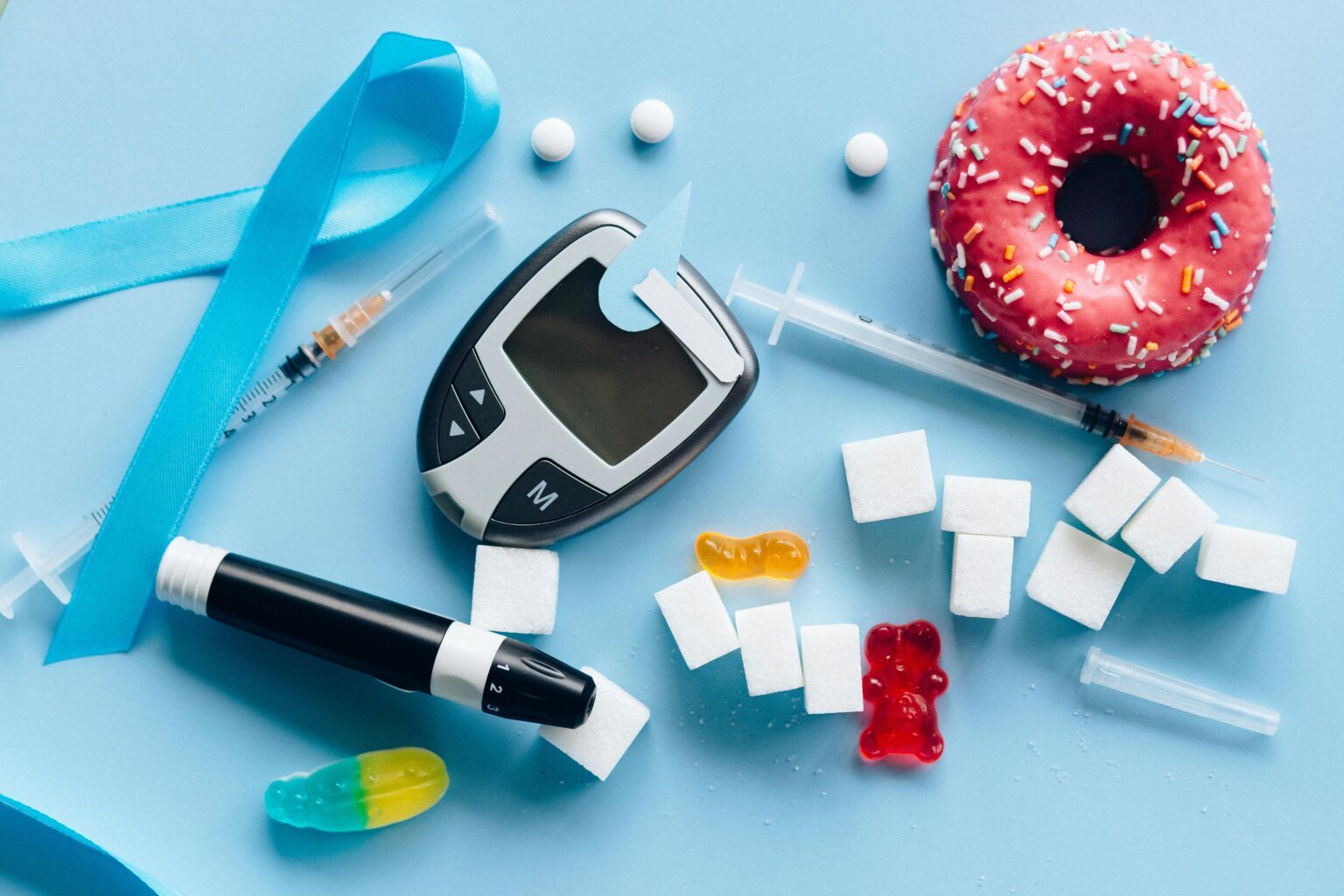
Type 1 Diabetes Care
Understanding Type 1 Diabetes
Type 1 diabetes is an autoimmune condition where the body’s immune system mistakenly attacks and destroys the insulin-producing beta cells in the pancreas. This leads to a deficiency in insulin, a hormone essential for regulating blood sugar levels.
Causes
The exact cause of Type 1 diabetes remains unknown, but it is believed to be a combination of genetic and environmental factors. Some research suggests that viral infections or exposure to certain toxins may trigger the autoimmune response in susceptible individuals.
Treatment
The primary treatment for Type 1 diabetes is insulin therapy. This involves injecting insulin into the body to replace the insulin that the pancreas is unable to produce. There are various types of insulin available, including rapid-acting, short-acting, intermediate-acting, and long-acting. The choice of insulin depends on individual needs and preferences.
In addition to insulin therapy, effective management of Type 1 diabetes requires:
Blood Sugar Monitoring: Regular blood sugar monitoring is essential to track how insulin is working and make adjustments as needed.
Healthy Eating: A balanced diet rich in fruits, vegetables, whole grains, and lean proteins can help stabilize blood sugar levels. It’s important to be mindful of carbohydrate intake, as carbohydrates are the primary source of glucose in the bloodstream.
Regular Exercise: Physical activity helps improve insulin sensitivity and can lower blood sugar levels. It’s crucial to consult with a healthcare provider before starting a new exercise regimen, especially if you have any underlying health conditions.
Stress Management: Stress can affect blood sugar levels, so it’s important to find healthy ways to manage stress, such as relaxation techniques, meditation, or yoga.
Exercises for Type 1 Diabetes
Some suitable exercises for individuals with Type 1 diabetes include:
Walking
Swimming
Cycling
Yoga
Tai Chi
Low-impact aerobics
Diet for Type 1 Diabetes
Here are some tips for a diabetes-friendly diet:
Eat a variety of fruits and vegetables.
Choose whole grains over refined grains.
Include lean proteins in every meal.
Limit saturated and trans fats.
Avoid sugary drinks and processed foods.
Monitor your carbohydrate intake.
Remember, the key to managing Type 1 diabetes is to work closely with your healthcare team to develop a personalized treatment plan that meets your individual needs. By following your doctor’s recommendations and making healthy lifestyle choices, you can effectively manage your diabetes and enjoy a good quality of life.

Obesity Management
Causes of Obesity
Obesity is a complex health condition characterized by excessive body fat accumulation. It’s caused by a combination of factors, including:
Overeating: Consuming more calories than the body burns leads to weight gain.
Lack of Physical Activity: A sedentary lifestyle contributes to obesity by reducing calorie expenditure.
Genetics: Some people may have a genetic predisposition to obesity.
Hormonal Factors: Hormonal imbalances can affect metabolism and weight regulation.
Certain Medications: Some medications can cause weight gain as a side effect.
Psychological Factors: Emotional eating or stress-related eating can contribute to weight gain.
Treatment and Management
Managing obesity often requires a multi-faceted approach that includes:
Healthy Diet: A balanced diet with a focus on whole foods, fruits, vegetables, lean proteins, and whole grains can help with weight loss and maintenance.
Regular Exercise: Engaging in regular physical activity helps burn calories, improve metabolism, and build muscle mass.
Behavior Modification: Addressing unhealthy eating habits and lifestyle behaviors can support weight loss and long-term maintenance.
Medication: In some cases, weight loss medications may be prescribed to aid in weight management.
Surgery: For individuals with severe obesity, bariatric surgery may be considered as a last resort.
Exercises for Obesity Management
Walking: A simple yet effective way to increase physical activity.
Swimming: Low-impact exercise that can be beneficial for individuals with joint pain.
Cycling: A great option for improving cardiovascular health and burning calories.
Yoga and Pilates: These exercises can help improve flexibility, balance, and core strength.
Strength Training: Building muscle mass can help boost metabolism and increase calorie expenditure.
Diet for Obesity Management
Balanced Diet: Focus on whole foods, fruits, vegetables, lean proteins, and whole grains.
Portion Control: Be mindful of portion sizes to avoid overeating.
Limit Processed Foods: Reduce your intake of processed foods, which are often high in unhealthy fats, sugars, and sodium.
Hydration: Stay hydrated by drinking plenty of water throughout the day.
Mindful Eating: Pay attention to your body’s hunger and fullness cues.
Remember, sustainable weight loss is often a gradual process. It’s important to consult with a healthcare professional to develop a personalized plan that suits your needs and goals.

Diabetes Education
Understanding Diabetes
Diabetes is a chronic condition characterized by high blood sugar levels. There are two main types: Type 1 and Type 2. Type 1 is an autoimmune disease where the body’s immune system attacks the insulin-producing cells in the pancreas. Type 2 is more common and occurs when the body becomes resistant to insulin or doesn’t produce enough insulin.
Causes
Genetic Predisposition: Family history can increase the risk of both Type 1 and Type 2 diabetes.
Lifestyle Factors: Obesity, physical inactivity, unhealthy diet, and stress can contribute to Type 2 diabetes.
Autoimmune Factors: Type 1 diabetes is an autoimmune disease, but the exact cause is unknown.
Treatment
The treatment for diabetes varies depending on the type and severity.
Type 1 Diabetes:
Insulin Therapy: Replacing the insulin that the body cannot produce.
Blood Sugar Monitoring: Regular monitoring to adjust insulin dosage.
Healthy Eating: A balanced diet to manage blood sugar levels.
Exercise: Regular physical activity to improve insulin sensitivity.
Type 2 Diabetes:
Lifestyle Changes: Weight loss, healthy eating, and regular exercise.
Medication: Oral medications or insulin therapy may be necessary.
Blood Sugar Monitoring: Regular monitoring to adjust treatment.
Exercises for People with Diabetes
Walking: A simple and effective way to increase physical activity.
Swimming: Low-impact exercise that is gentle on the joints.
Cycling: A great way to burn calories and improve cardiovascular health.
Yoga and Tai Chi: Can help improve balance, flexibility, and stress management.
Strength Training: Can help build muscle mass and improve insulin sensitivity.
Diet for People with Diabetes
Balanced Diet: Focus on whole grains, fruits, vegetables, lean proteins, and healthy fats.
Portion Control: Be mindful of portion sizes to avoid overeating.
Carbohydrate Counting: Monitor carbohydrate intake to manage blood sugar levels.
Limit Processed Foods: Reduce consumption of sugary drinks, processed foods, and refined grains.
Hydration: Drink plenty of water to stay hydrated.
Remember: It’s crucial to consult with a healthcare professional before starting any new exercise or diet plan, especially if you have diabetes. They can provide personalized guidance and support.
By understanding diabetes, following a healthy lifestyle, and working closely with your healthcare team, you can effectively manage your condition and improve your quality of life.

Dietary Counseling
Dietary counseling is a process that involves providing individuals with personalized advice and guidance on nutrition and diet. It can be beneficial for a variety of reasons, including weight management, disease prevention, and improving overall health.
Causes for Dietary Counseling
There are many reasons why someone might seek dietary counseling, including:
Weight management: Whether you’re trying to lose weight, gain weight, or maintain a healthy weight, a registered dietitian can help you create a personalized meal plan.
Disease prevention: A healthy diet can help reduce the risk of chronic diseases such as heart disease, stroke, diabetes, and certain types of cancer.
Medical conditions: If you have a specific medical condition, such as diabetes, high blood pressure, or celiac disease, a dietitian can help you develop a diet that meets your nutritional needs and manages your condition.
Food allergies or intolerances: If you have a food allergy or intolerance, a dietitian can help you identify safe foods and avoid triggers.
Performance enhancement: Athletes and individuals who are looking to improve their physical performance may benefit from dietary counseling to optimize their nutrition.
Treatment and Management
Dietary counseling typically involves a one-on-one meeting with a registered dietitian. During the meeting, the dietitian will assess your current diet, health history, and goals. They will then provide you with personalized advice and guidance on how to improve your diet. This may include:
Creating a meal plan: The dietitian will help you develop a meal plan that meets your nutritional needs and goals.
Providing education: The dietitian will educate you about the importance of nutrition and how different foods affect your body.
Offering support: The dietitian will provide you with support and encouragement as you make changes to your diet.
Exercises and Diet
While dietary counseling primarily focuses on nutrition, exercise and diet are closely linked. Regular physical activity can help you burn calories, improve your mood, and boost your energy levels. When working with a dietitian, you may also discuss how to incorporate exercise into your lifestyle.
The specific exercises and diet recommendations will depend on your individual needs and goals. However, in general, a healthy diet should include:
Fruits and vegetables: These are excellent sources of vitamins, minerals, and fiber.
Whole grains: Whole grains are a good source of fiber and complex carbohydrates.
Lean protein: Lean protein is essential for building and repairing tissues.
Healthy fats: Healthy fats, such as those found in nuts, seeds, and avocados, are important for heart health.
Limited added sugars and unhealthy fats: Consuming too much added sugar and unhealthy fats can lead to weight gain and other health problems.
Conclusion
Dietary counseling can be a valuable tool for improving your health and well-being. By working with a registered dietitian, you can develop a personalized plan that helps you achieve your goals.